What is experiential learning?
Experiential learning is essentially learning by experiencing or doing. It means actively taking part in activities and then thinking about what you did and learned. This hands-on approach has quickly become one of the most effective learning approaches. Experiential learning emphasizes practical, real-world application to enhance understanding and skills development.
Experiential education is an essential part of modern-day learning and development (L&D) strategies because it promotes active learning, which is an essential part of employee engagement in a remote work environment. Higher education institutions and organizations are increasingly leveraging experiential learning opportunities to provide students with practical skills and real-world experience, ensuring they are better prepared for future workforce success.
Let’s explore 5 key benefits of experiential learning.
1. Active Learning & Engagement
Experiential learning moves employees beyond passive instruction. Instead of just reading, listening, or watching, learners actively participate in realistic tasks or scenarios. Experiential learning activities are specifically designed to engage students through active engagement and hands on activities, ensuring that participants are not only involved but also motivated to apply knowledge in practical settings. This hands-on approach keeps students engaged and focused, making the learning experience more dynamic and memorable.
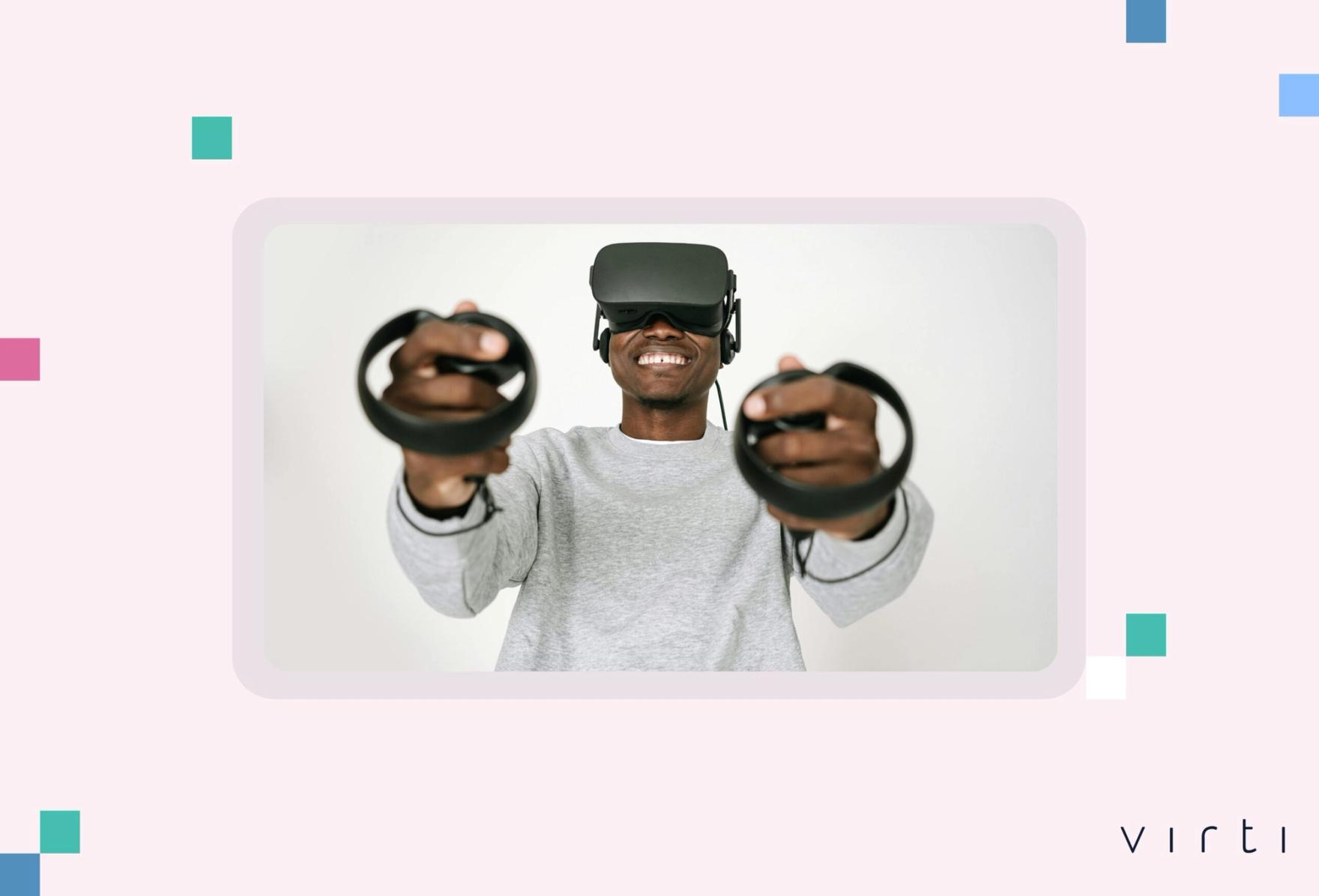
For example, many educational institutions are utilizing VR headsets to train surgical staff in procedures and practice. These immersive, hands-on experiences help students engage and become actively engaged in realistic scenarios, allowing them to develop critical skills in a safe, controlled environment, bridging the gap between theory and real-world application.
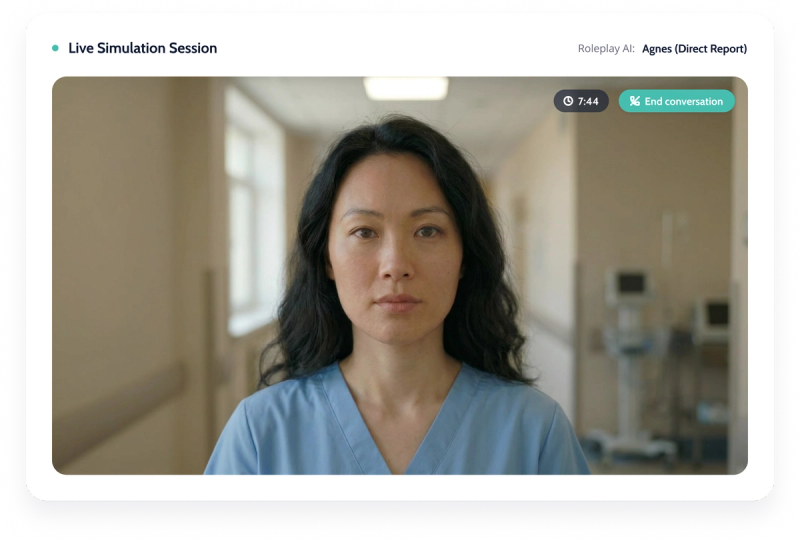
Many healthcare brands have had success using Virti’s immersive environment to train hands-on learning. Check out this problem-solving scenario by St Johns Ambulance, where students engage in hands on activities to reinforce learning.
2. Adaptability to Different Learning Styles
Not everyone learns the same way, and experiential learning is flexible enough to accommodate multiple learning styles. Visual learners benefit from simulations or scenario videos, kinesthetics learners from hands-on roleplay, and reflective learners from guided debriefs. A diverse range of experiential learning activities can be tailored to different preferences and course content, ensuring that theoretical knowledge is reinforced and skills are enhanced through real-world application. This adaptability ensures that all participants can connect with the material in a way that suits them, increasing the overall effectiveness of training programs. Virti enhances this flexibility by offering AI-driven scenarios across mobile, desktop, and VR, so learners can engage in the style and format that suits them best.
3. Deeper Self-Awareness & Reflection
A key component of experiential learning is reflection. After completing an activity, learners analyze what worked, what didn’t, and why. This self-awareness helps identify strengths and areas for improvement, fostering emotional intelligence and better decision-making. In leadership training, for instance, reflecting on how a difficult team scenario was handled can reveal insights about communication style and stress management. Virti supports reflection by providing instant, structured feedback, including insights on tone, phrasing, and decision-making, allowing learners to understand their performance and improve continuously.
4. Better Knowledge Retention & Transfer
Experiential learning anchors knowledge in real-world contexts, improving retention. By helping learners apply knowledge from course material to real-world scenarios and real-world applications, experiential learning bridges the gap between theory and practice, making learning more relevant and impactful. When learners apply concepts in practice and receive immediate feedback, they are more likely to remember what they’ve learned and apply it on the job. These real-world experiences prepare learners for future situations and contribute to their future success by building adaptability, problem-solving skills, and readiness for new challenges. This makes experiential learning particularly effective for technical skills, sales pitches, or conflict resolution scenarios, where transfer of learning to actual workplace situations is critical. With Virti, learners can repeat scenarios as many times as needed, ensuring they build confidence and retain skills that translate directly to their real-world work.
5. Whole-Person Involvement
Experiential learning engages the learner cognitively, emotionally, and physically. By involving multiple senses and requiring active decision-making, learners form stronger connections with the material. This holistic approach helps create meaningful learning experiences that resonate long after the training session ends.
Employees not only understand concepts intellectually but also feel confident applying them in real-life situations. Hands-on experiences in experiential learning play a crucial role in building self confidence, as learners practice and apply knowledge in realistic settings. Virti’s AI role-play simulations fully immerse learners, combining interactive dialogue, realistic scenarios, and immediate feedback to engage the whole learner and reinforce practical skill development.

What is Kolb’s theory of experiential learning?
David Kolb’s model of experiential learning is based on a four-stage cycle. This cycle is the foundation of the experiential learning theory and is interconnected with thinking or feeling and watching or doing. By understanding these connections, you can figure out how you learn best. The learning process in Kolb’s model helps students learn how abstract concepts apply to real-world situations by engaging them in hands-on activities and reflection, leading to a deeper and more nuanced understanding of the subject matter. There are four types of learners: Diverging, Assimilating, Converging, and Accommodating.
Diverging: These individuals prefer to look at things from multiple perspectives. They can be sensitive to stimuli in the environment and prefer to watch rather than do. They are great at gathering information and using their imagination.
Assimilating: These individuals prefer a concise, logical approach. Ideas and concepts are more important than people. They are great at taking in lots of information and organizing it clearly and logically.
Converging: These individuals prefer technical tasks and like to be left alone to solve them. Interpersonal skills are not as important to them. They are great at solving problems and finding practical uses for ideas, and are particularly adept at tackling complex problems.
Accommodating: These individuals are hands-on learners and rely on intuition over logic. They can often act on “gut feeling” and will rely on others’ analysis rather than their own. They are great at bringing forward new challenges and challenging others, and are also skilled at navigating complex problems.