Our latest report, “The 2023 State of Learning and Development,” delves into how UK companies are leveraging compliance training and soft skills development, including scenario-based learning, to enhance performance and drive revenue. While corporate compliance training remains crucial, it is essential for organizations to adhere to regulatory standards and regulations to ensure organizational compliance, mitigate risks, and maintain safety, data privacy, and protection of customer data. There’s a noticeable shift toward recognizing the value of soft skills training in nurturing employee capabilities, supporting professional development, and promoting best practices and procedures.
The report also reveals a significant 67% of respondents see the positive impact of learning and development (L&D) on revenue, underlining its strategic importance in their organizations. Organizations need to implement effective compliance training programs and training initiatives to educate employees, support continuous learning, and track progress. Virti CEO, Kurt Kratchman, aptly emphasizes the broader impact of soft skills learning beyond conventional metrics. He notes how it attracts vibrant talent and fosters a culture of innovation, both critical for sustained productivity and growth, while also supporting engagement, knowledge retention, and the achievement of learning goals.
Top L&D Challenges:
Despite its evident benefits, L&D faces challenges, including the ongoing need to keep up with regulatory standards and evolving regulations in compliance training, with budget constraints topping the list. However, strong leadership support indicates a shift in perception, recognizing L&D as a revenue driver rather than a mere expense.
Key Insights from the Report:
- In-house Training: Over half of the respondents prefer in-house production of training content, emphasizing tailored learning experiences.
- Course Lifespan: Training courses typically have a short lifespan, emphasizing the need for continual adaptation and relevance, especially in soft-skill compliance training.
- Flexible Learning: The majority of L&D programs offer flexible learning options, and training materials catering to diverse employee needs and preferences.
- Digital Immersive Training: While adoption is modest, digital immersive training holds promise for enhancing training quality and cost-effectiveness, particularly in soft-skill compliance training.
- Organizational Structure: L&D predominantly reports to HR, showcasing its alignment with talent development strategies.
Compliance training and soft skills development are not just necessities but investments in organizational success. As leaders, it’s essential to recognize their pivotal role in shaping both individual competencies and overall business performance. They are crucial to the future of workplace learning.To delve deeper into these insights and unlock the potential of compliance and soft skills training, download our complimentary report, “The 2023 State of Learning and Development.“
How Virti Addresses These L&D Challenges
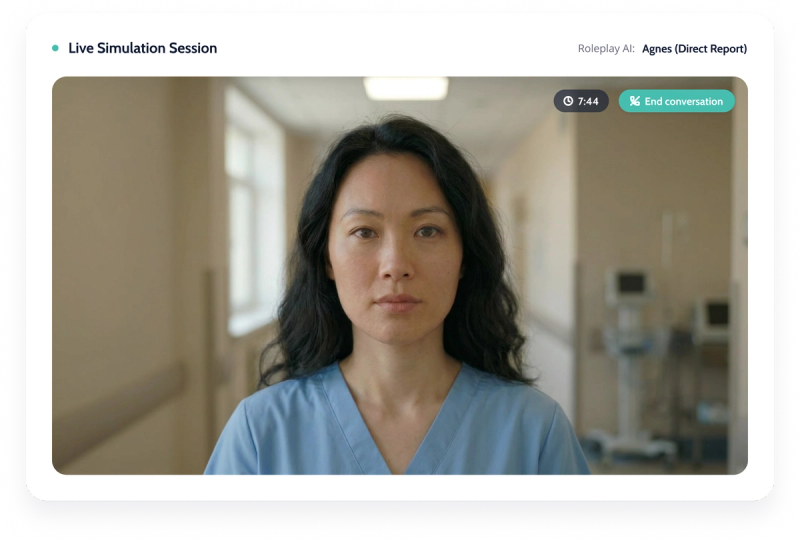
While the report highlights the growing recognition of soft skills training’s impact on revenue and talent retention, it also reveals persistent challenges that organizations face in delivering effective learning experiences. Virti’s AI-powered immersive learning platform directly addresses these key pain points.
Solving budget constraints with scalable solutions: The report identifies budget constraints as the top L&D challenge. Virti’s platform eliminates the need for expensive in-person training sessions, travel costs, and repeated instructor fees. Organizations can deliver consistent, high-quality training experiences to unlimited employees simultaneously, dramatically reducing per-learner costs while maintaining training effectiveness.
Meeting the demand for in-house, tailored content: With over half of respondents preferring traditional training video production, Virti empowers organizations to create custom AI role-play scenarios and upload training videos that reflect their specific industry, company culture, and compliance requirements. Whether it’s retail customer service, healthcare patient interactions, or corporate leadership conversations, the platform enables L&D teams to build a tailored learning process without technical expertise.
Addressing short course lifespans with agile content: The report’s finding that training courses have short lifespans aligns perfectly with Virti’s flexible training content creation capabilities. Organizations can rapidly update scenarios, modify virtual training with Virtual Humans, and adapt training content to reflect changing regulations, new products, or evolving best practices, all without starting from scratch.
Supporting flexible learning preferences: Virti’s platform naturally supports the flexible learning options that the majority of L&D programs require. Employees can access training scenarios anytime, practice at their own pace, repeat challenging conversations, and learn through multiple modalities like mobile, VR or desktop.
Enhancing digital immersive training adoption: While the report notes modest adoption of digital immersive training, Virti bridges this gap by making corporate training accessible and practical.