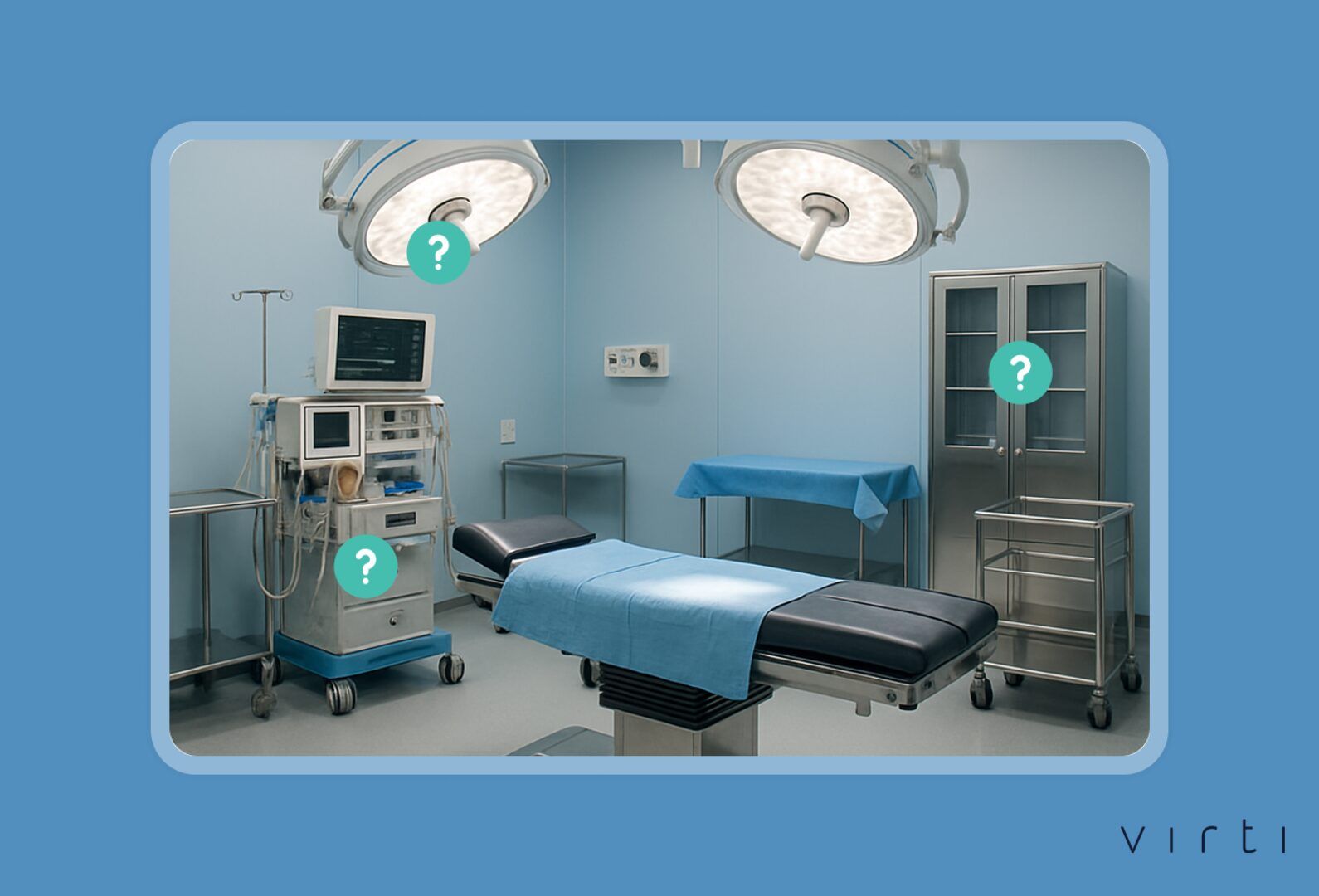
We’ve all seen how virtual reality (VR) is changing the world of gaming and entertainment, but did you know it’s also transforming the healthcare industry? Virtual reality medical training is here, and it’s making waves in how we teach and learn healthcare. Imagine being able to practice surgery, diagnose patients, or handle high-pressure situations – all in a virtual world. If it sounds like science fiction to you, we can assure you it’s not! Virtual reality medical training is real, and it’s already helping healthcare professionals level up their skills through hands-on practice.
The Rise of Virtual Reality in Healthcare
So, how did VR medical training go from a futuristic idea to something that’s now becoming a must-have in medical schools and hospitals? Well, as technology has become more accessible, the benefits of immersive, hands-on learning have taken center stage. Whether you’re a training medical student or an experienced professional, virtual reality medical training gives you a safe space to learn without any of the usual risks.
More and more medical institutions are jumping on board, recognizing the power of VR medical training. It’s not just about keeping up with trends; it’s about giving students and professionals the best, most realistic learning experience possible. This realistic environment enables students to practice clinical skills and critical thinking with simulated patients that can interact, ultimately leading to more effective training outcomes compared to traditional methods.
Benefits of VR Medical Training for Medical Students
Virtual reality simulations in medical training are not just about creating a futuristic vision; we’re now able to use VR and AI to create immersive training environments. Virti’s platform offers immersive video experiences and AI-powered Virtual Humans, which provide healthcare professionals access to restrictive environments, such as operating theaters, where they can test decision-making and stress responses without real-world consequences.
Hands-On, Immersive Learning
With platforms like Virti, virtual reality medical training offers an interactive, hands-on experience that allows learners to step into high-risk situations, such as performing procedures in a simulated operating room or emergency room scenarios through VR simulation. Our immersive simulations, powered by AI and 360-degree video, allow healthcare professionals to practice decision-making and clinical procedures in a risk-free environment.
Affordable and Scalable
Virti’s platform makes healthcare training scalable and accessible anywhere in the world, allowing healthcare organizations to train teams remotely. With virtual environments, healthcare professionals can undergo complex scenario-based learning without the need for physical resources, reducing the cost and increasing accessibility for global teams.
Safe, No-Pressure Environment
One of the best things about VR medical training is that it’s risk-free. You can make mistakes, learn from them, and try again. This is essential in healthcare training, where mistakes can have serious consequences. With VR, you get all the learning without the stress of potentially harming a patient.

Enhanced Spatial Visualization
Virtual reality (VR) technology has revolutionized the way medical students learn and gain a better understanding of human anatomy. With VR, medical students can visualize and interact with 3D models of the human body, allowing for a deeper understanding of spatial relationships and anatomy. This enhanced spatial visualization enables medical students to better comprehend complex medical procedures and develop their skills in a more effective and efficient manner.
Imagine being able to explore the inner workings of the human body without ever making an incision. VR simulations make this possible by providing detailed, interactive models of organs, tissues, and systems. Medical students can rotate, zoom in, and even “dissect” these virtual models, gaining insights that are often difficult to achieve through traditional methods. This hands-on approach to learning anatomy not only improves retention rates but also reduces the need for cadaveric dissection, making the learning process more accessible and less resource-intensive.
Moreover, VR simulations can be easily updated and customized to reflect the latest medical research and discoveries. This ensures that medical students are always learning from the most current information available, preparing them to handle real-world challenges with the most up-to-date knowledge and techniques.
Measurable Performance Assessments
Virtual reality training simulations provide a unique opportunity for measurable performance assessments in medical education. By tracking user interactions and performance metrics, educators can gain valuable insights into a medical student’s strengths and weaknesses, identifying areas where additional training or support may be needed.
For example, VR simulations can be designed to assess a medical student’s ability to perform complex medical procedures, such as surgeries or patient assessments. The simulation can track the student’s performance in real-time, providing immediate feedback and assessment of their skills. This data-driven approach allows educators to tailor the learning process to the individual needs of each student, ensuring that they receive the support and guidance necessary to excel.
But it’s not just about technical skills. VR simulations can also assess soft skills, such as communication and teamwork, which are essential for effective patient care. By simulating real-world scenarios, educators can evaluate a medical student’s ability to work effectively with others, communicate clearly, and make sound decisions in high-pressure situations. This comprehensive assessment approach ensures that medical students are well-rounded and prepared for the multifaceted demands of the healthcare profession.
Measurable performance assessments in VR are also valuable for practicing healthcare professionals, enabling them to refine their clinical and communication skills. This ongoing skills improvement directly contributes to better patient outcomes by ensuring that healthcare providers are equipped to deliver high-quality care in real-world settings.

How Virtual Reality Simulations Are Revolutionizing Healthcare Education
VR medical simulations are completely changing the way we learn in the healthcare field. Oxford Medical Simulation is a significant player in this field, utilizing virtual reality to teach essential soft skills necessary for patient interactions. In the past, students would read about surgeries or observe them. Now, thanks to virtual reality medical training, they can perform them in a safe environment. VR training allows surgeons to practice surgical procedures, refine their techniques, and improve their skills without risk to patients, ultimately enhancing the overall quality of medicine. Virti’s simulations enable healthcare workers to practice emergency procedures, enhance their soft skills, and prepare for rare conditions—all in a virtual world. In fact, 49% of healthcare professionals report that they learn faster in immersive environments like the ones Virti offers.
Another great example of this is the partnership between Mölnlycke and healthcare providers in the UK. They’ve utilized virtual reality medical training to help generalist nurses and podiatrists enhance their skills in treating complex conditions like diabetic foot ulcers (DFUs). This solution has proved invaluable, especially in situations where face-to-face training is logistically difficult or expensive. You can read more about their success in this customer story here.
Real-World Applications of VR in Medical Training
Virtual reality training simulations have numerous real-world applications in medical education, from nursing education to surgical training. By providing a realistic and immersive learning environment, VR simulations can help medical students develop the skills and confidence they need to succeed in the medical field.
For instance, VR simulations can be used to train medical students in emergency response scenarios, such as cardiac arrests or natural disasters. By simulating these high-pressure situations, medical students can develop the critical thinking and decision-making skills needed to respond effectively in real-world emergencies. This type of training is invaluable, as it prepares students for the unexpected and helps them remain calm and effective under pressure.
Overall, virtual reality training simulations offer a powerful tool for medical education, providing a realistic and immersive learning environment that can help medical students develop the skills and confidence they need to succeed in the medical field. As VR technology continues to advance, its applications in medical training will only expand, further revolutionizing the way we educate and prepare future healthcare professionals.
The Future of VR Medical Training
What’s next for VR medical training? Well, we’re just scratching the surface. The future is all about making these virtual reality simulations even more realistic and interactive. With advances in AI, virtual reality medical training could soon be even more personalized, adapting to your progress and providing real-time feedback to supplement learning.
Innovative products, including cutting edge technology such as augmented reality and VR headsets, are shaping the future of medical training and healthcare technologies. The future of VR in healthcare training is all about continuous improvement and personalization. Studies show that VR training has the highest potential in areas such as safety or hazard awareness (60%) and preparing for complex emergency procedures (56%) – two crucial areas for healthcare professionals. As companies like Virti push the boundaries with real-time analytics and tailored learning experiences, VR training will continue to revolutionize how healthcare workers build their skills.
Conclusion
In short, VR medical training is revolutionizing how we train and educate healthcare professionals. It’s immersive, interactive, and most importantly – effective. Virtual reality medical training gives healthcare workers the skills they need, all while ensuring safety, accessibility, and affordability. VR medical simulations are pushing the boundaries of traditional training methods, and we’re just getting started.
At Virti, we’re proud to be at the forefront of this transformation, helping medical professionals reach their full potential with cutting-edge VR medical training. The future of healthcare education is immersive – and we’re ready to take it to the next level.
Find out more about how we create immersive, risk-free training environments in the healthcare industry with Immersive video experiences and AI-powered Virtual Humans.